
Optimal Timing for Fire Restorations
Fire restorations are most effectively performed during periods of stable weather, typically in late spring through early fall. Dry, mild conditions help ensure safety and facilitate thorough cleanup and repairs. Conducting restorations in these months minimizes delays caused by adverse weather such as heavy rain, snow, or extreme cold, which can hinder progress and increase costs.
Spring and summer often provide optimal conditions for fire restoration projects due to warmer, drier weather. Avoiding winter months reduces risks associated with freezing temperatures and snow accumulation.
Weather plays a significant role in the restoration timeline. High humidity and rain can cause delays, while dry conditions promote faster drying and cleanup processes.
Scheduling during favorable weather seasons ensures quicker completion and reduces the likelihood of weather-related setbacks.
Early assessment after a fire can help plan restorations during the most suitable seasons, ensuring efficiency and safety.
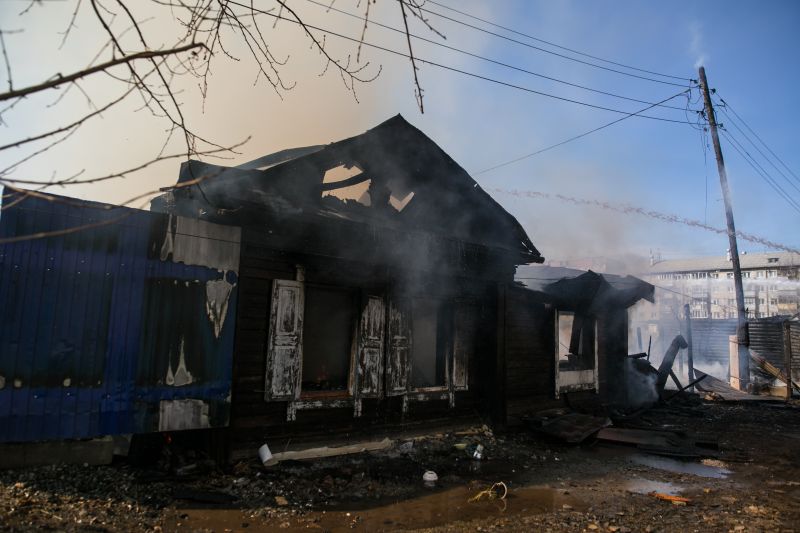
Image depicting a restoration team working on a fire-damaged property.
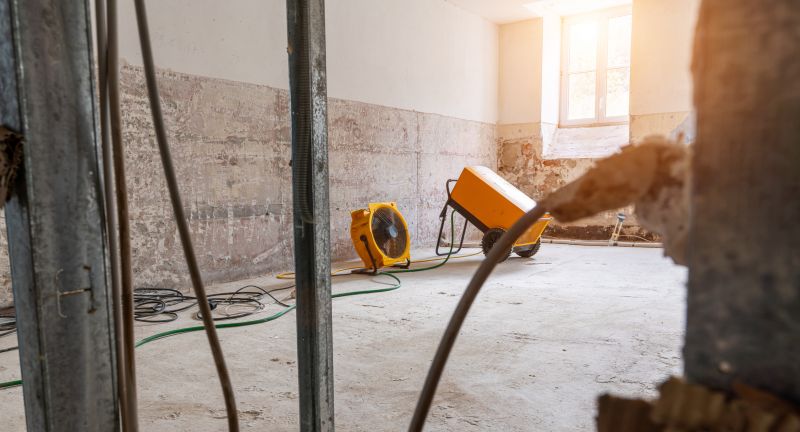
Fire damage cleanup equipment in use during restoration.
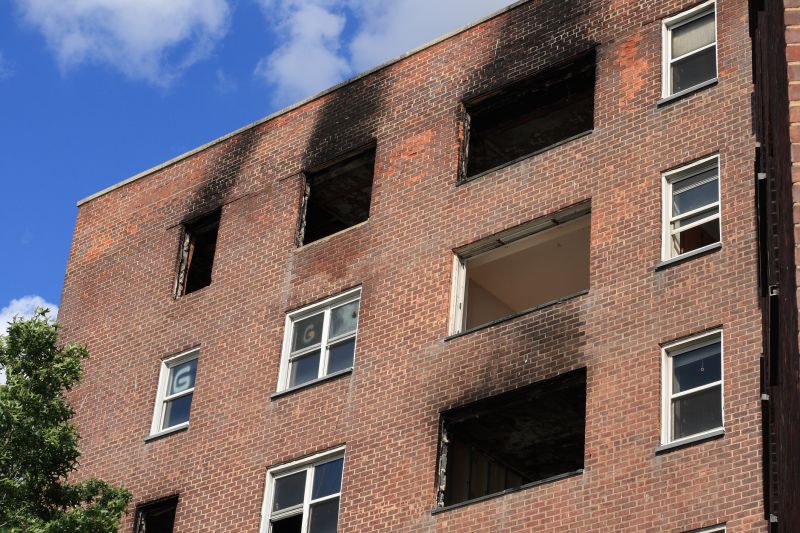
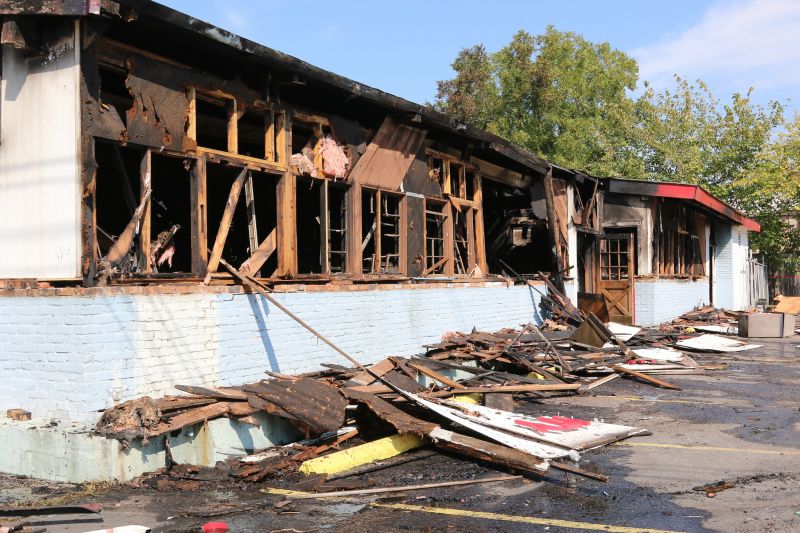
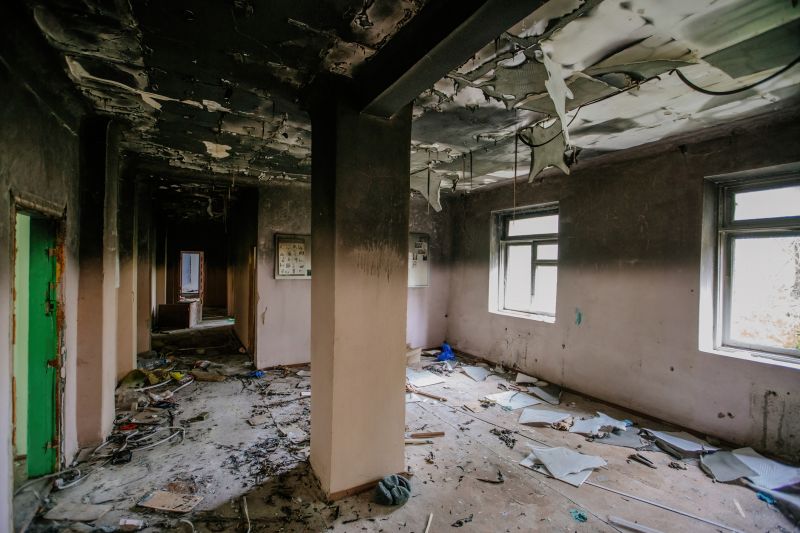
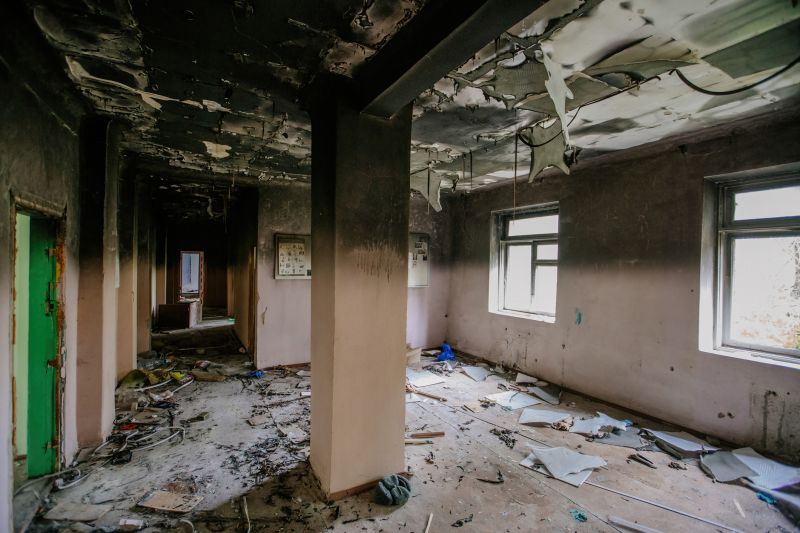
Fire-damaged property prior to restoration efforts.
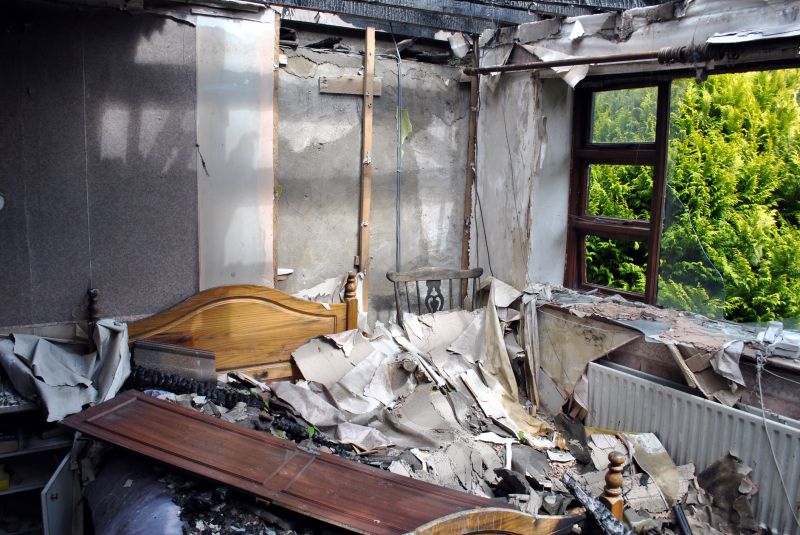
Ways to make Fire Restorations work in tight or awkward layouts.
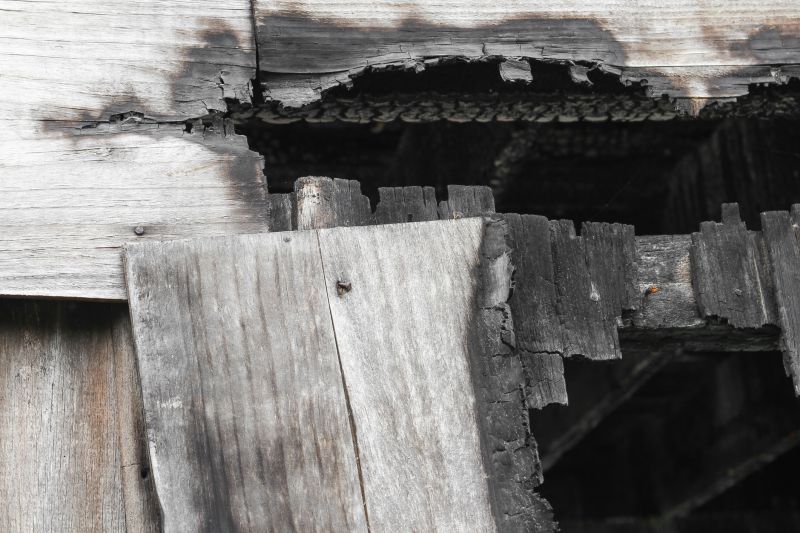
Popular materials for Fire Restorations and why they hold up over time.
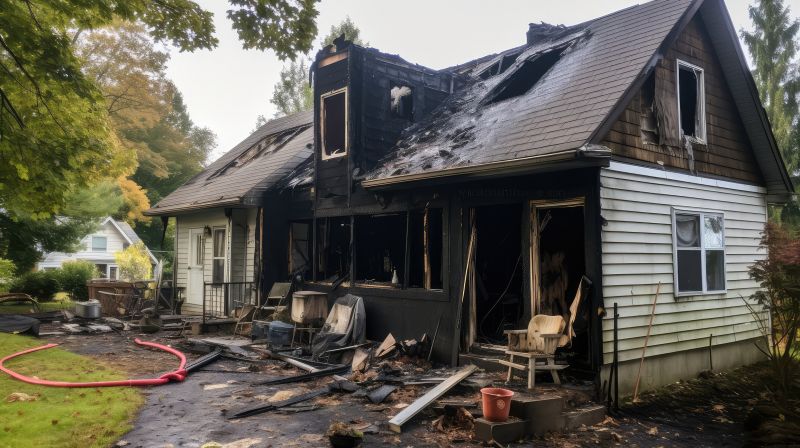
Simple add-ons that improve Fire Restorations without blowing the budget.
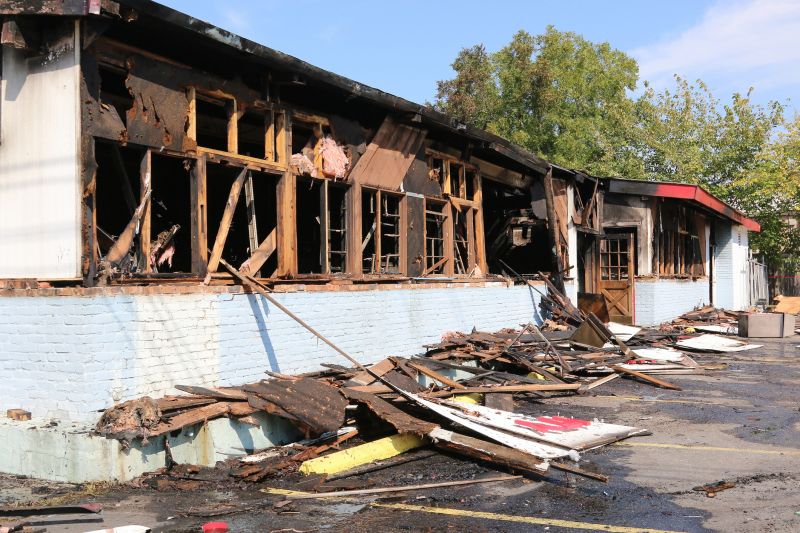
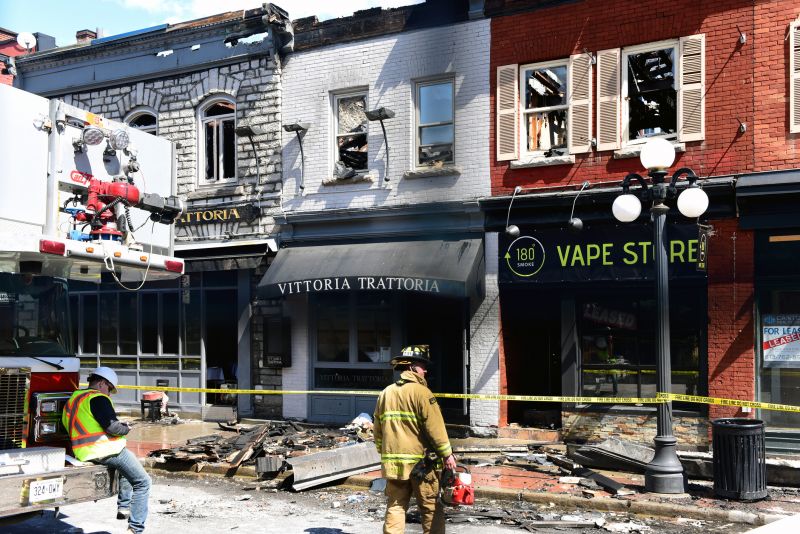
Restoration team removing debris from a fire-damaged building.
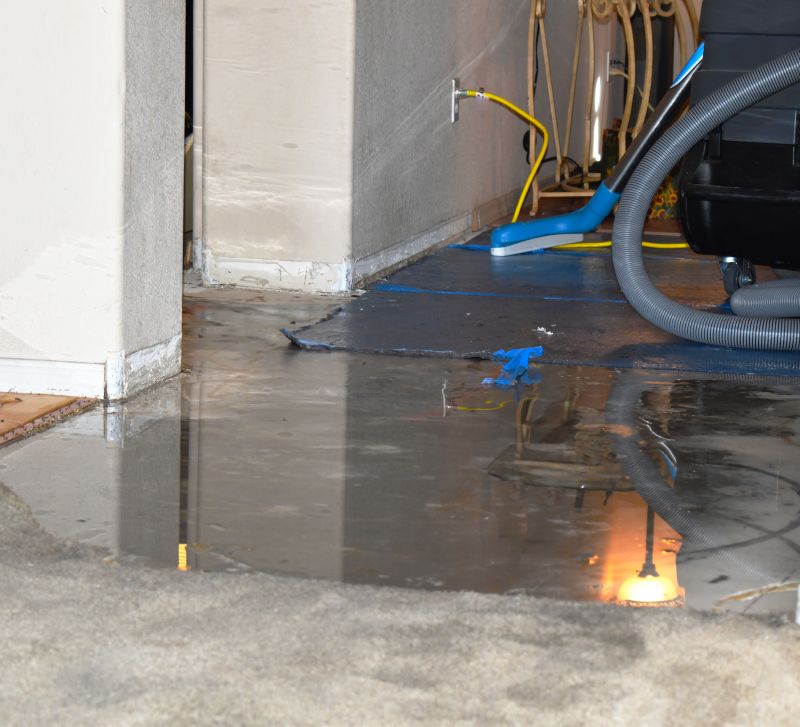
Specialized equipment used for smoke odor mitigation.
Carpentry and structural reinforcement during restoration.
Completed fire restoration with property ready for occupancy.
High-end options that actually feel worth it for Fire Restorations.
Finishes and colors that play nicely with Fire Restorations.

Little measurements that prevent headaches on Fire Restorations day.
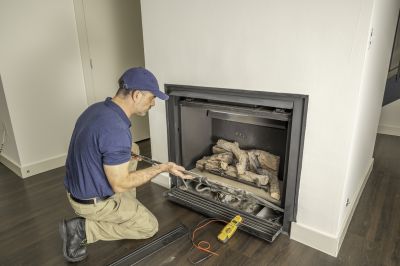
A 60-second routine that keeps Fire Restorations looking new.
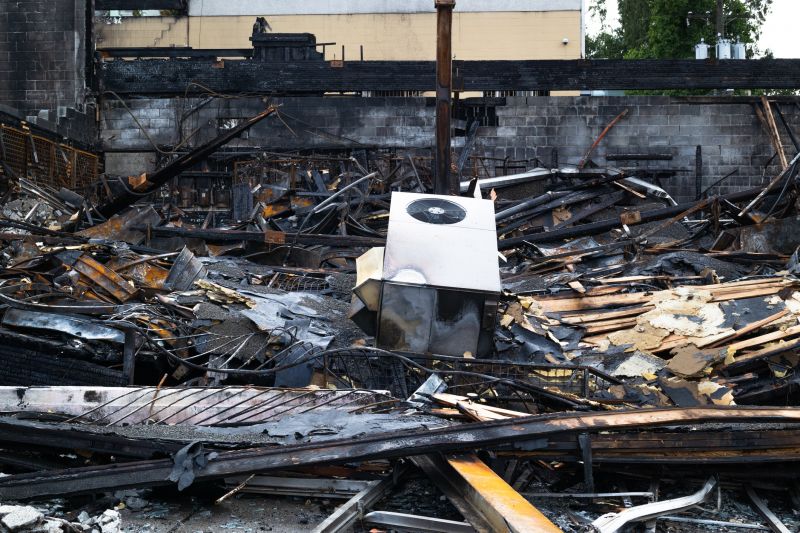
A frequent mistake in Fire Restorations and how to dodge it.

Small tweaks to make Fire Restorations safer and easier to use.
Lower-waste or water-saving choices for Fire Restorations.

The short, realistic tool list for quality Fire Restorations.
| Aspect | Details |
|---|---|
| Optimal Season | Late spring to early fall |
| Weather Factors | Dry, mild conditions preferred |
| Delays | Heavy rain, snow, freezing temperatures |
| Cost Impact | Weather delays can increase expenses |
| Project Duration | Shorter during favorable seasons |
| Assessment Timing | Early assessment aids planning |
| Safety Considerations | Stable weather enhances safety |
| Environmental Factors | Avoiding extreme weather minimizes damage |
Choosing the right time for fire restorations can significantly impact the success and efficiency of the project. Proper planning around seasonal and weather conditions ensures that restorations are completed safely, promptly, and cost-effectively. Monitoring weather forecasts and scheduling accordingly are key steps in effective project management.
Individuals interested in fire restoration services are encouraged to contact for more information and to discuss specific needs. Filling out the contact form provides an opportunity to receive tailored guidance and support for fire damage recovery efforts.